Kayla Edwards 12/5/16
Today in class we had 2 objectives; IWBAT evaluate how modernists question the absolutism of romantic writers and IWBAT clearly integrate evidence that support a specific claim. Also we were assigned to have chapter four of The Great Gatsby read by Thursday. He also asked us to consider the question, what structural change happens in this chapter? as we read. Next we reviewed what we did on Friday and talked about perception and its affect on the modern idea of truth. We also discussed if we should trust Nick because at the end of Chapter 3 he says, “Everyone suspects himself of at least one of the cardinal virtues, and this is mine: I am one of the few honest people that I have ever known.”. My group decided we should trust him but also keep in mind that truth is subjective which means we only have one side of the story. Next we talked about balancing specificity and clarity when writing topic sentences and integrating evidence. We used two examples for this: one that was clear, but not specific, and one that was specific but confusing. Then we discussed as a group what was wrong with each sentence and how to improve them. For example, the topic sentence "He's just a man named Gatsby." is clear because there's nothing complex about it. However it doesn't give us enough information about who he is or why he's relevant. He also gave us another example (which I cannot remember because it was very long) that used way too many details that may not have all been relevant to the rest of the paragraph. For integrating he gave us too similar examples, one with a short quote that wasn't introduced or given context and one with a quote that was over 4 lines which gave us too much information. Using these examples we then made a paragraph balancing these two things about what we learned about Gatsby in Chapter 3.
 |
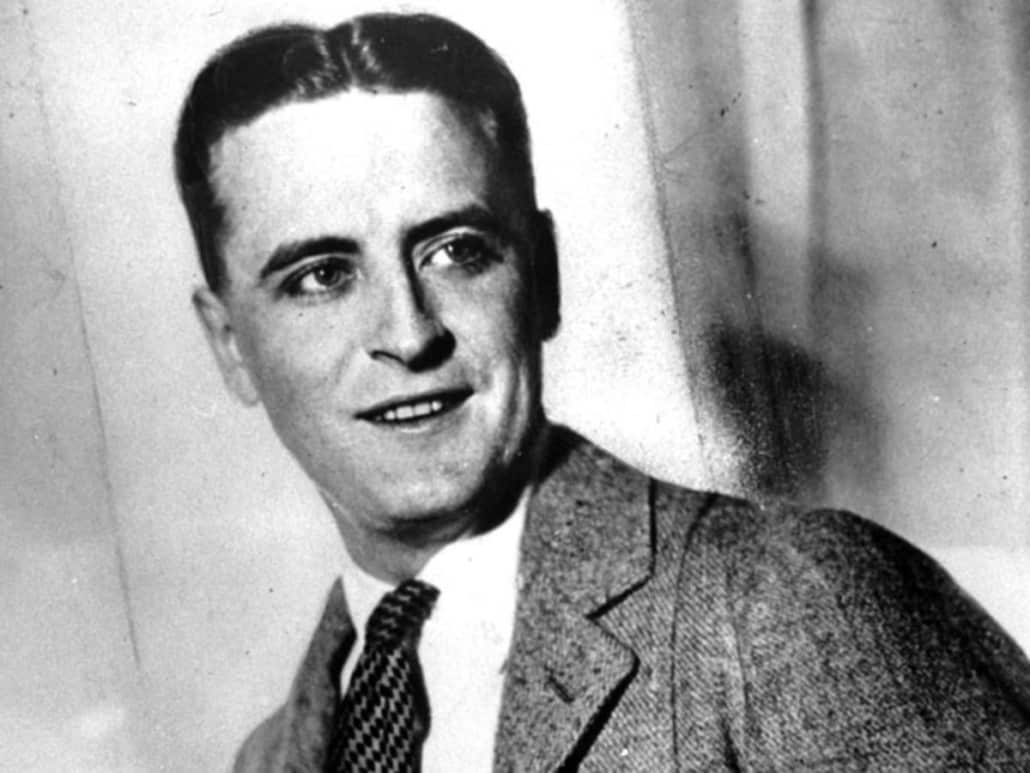
| F. Scott Fitzgerald, Author of The Great Gatsby |

No comments:
Post a Comment